inquiry
Leave Your Message
0%

In the fast-paced world of geospatial surveying, setting up a GNSS RTK Base Station has really become a must-have for getting accurate data quickly and efficiently. I came across a recent industry report from ResearchAndMarkets that says the Global Gnss market is expected to hit around $250 billion by 2025. That’s pretty crazy, but it makes sense because more industries—think agriculture, construction, and transportation—are really craving that high-precision location info. Here’s the good news: Shanghai Apekstool (or APEKS, as everyone calls it) is a trusted name when it comes to innovative surveying gear and mapping solutions. They don’t just sell the parts you need to set up a GNSS RTK Base Station—they also offer customized options to fit your specific surveying projects. This handy checklist is designed to walk you through the key steps, so you can get your own base station up and running without a hitch. Plus, you’ll be making the most of the latest tech and expertise to step up your surveying game.
Ultimate Checklist for Setting Up Your Gnss Rtk Base Station Efficiently

Choosing the Right Location for Your GNSS RTK Base Station Setup

Picking the right spot for your GNSS Rtk Base Station is actually pretty important if you wanna get accurate results in your surveying work. Honestly, aim for a location that's elevated and has a clear view of the sky—think open areas without trees, tall buildings, or other stuff that could block the satellite signals. When your view's unobstructed, those signals come in stronger and cleaner, and you also avoid the headache of multipath issues—where signals bounce off nearby surfaces before reaching your receiver, messing up your measurements. So, when you're choosing a spot, keep in mind both the immediate surroundings and the bigger picture of the area—making sure you can see as much of the horizon as possible really helps.

And hey, in today’s tech world, don’t forget that there are cool options like free NTRIP for RTK surveys. It’s a game-changer because it means you don’t have to worry about expensive subscriptions, making it easier to set up your base station in all sorts of locations—even out in the middle of nowhere or tricky terrains. Plus, as drone tech keeps advancing, combining aerial data with GNSS positioning can take your survey work to the next level. It’s a smart way to get better accuracy and efficiency, and it helps streamline the whole process of georectifying data. If you really think about where you put your station and how you bring in these new tools, you'll probably see your results improve a lot—it's all about working smarter, not harder.

Ultimate Checklist for Setting Up Your Gnss Rtk Base Station Efficiently

Essential Equipment for an Efficient GNSS RTK Base Station Installation

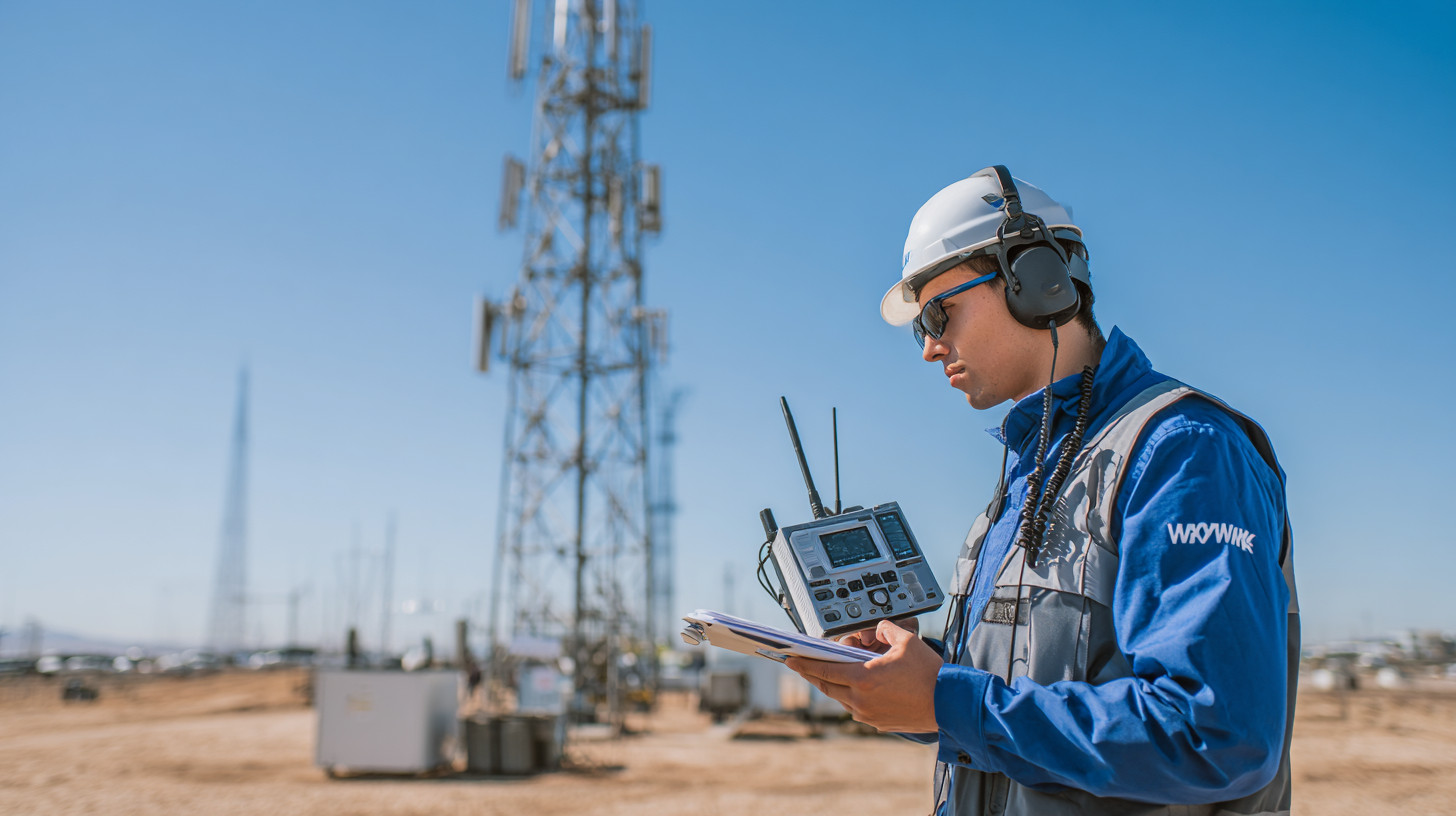
Setting up a GNSS RTK base station might sound a bit technical, but it’s really the key to getting those super accurate position readings – whether you're doing some surveying, working with drones, or whatever else needs precise location data. To get it just right, you’ll want to pay attention to a few crucial pieces of equipment. First off, a good-quality GNSS receiver is a must. Make sure it can pick up signals from lots of satellites – that’s what boosts your accuracy and keeps things reliable, even when conditions aren’t perfect. Pair it with a sturdy tripod, especially if you're outside where wind or uneven ground could shake things up – stability matters a lot here.

Then, don't forget about your communication gear. Things like a solid data link or a reliable radio transmitter are essential for real-time data transfer between the base station and the rovers. If you're planning to be out in the field for a while, having a consistent power supply is a good idea – you don’t want the whole setup to shut down halfway through. And if you can hook up to a steady internet connection, that’s a huge plus – it makes sharing data and accessing corrections way smoother. All these bits and pieces together give you a solid foundation for a successful GNSS RTK base station setup. Trust me, a little prep goes a long way!

Essential Equipment for GNSS RTK Base Station Installation

This chart displays the essential equipment dimensions needed for setting up a GNSS RTK base station efficiently. The data represents the quantity of each equipment type generally required for a successful installation.

Step-by-Step Guide to Configuring Your GNSS RTK Base Station

Setting up your GNSS RTK base station might seem a bit overwhelming at first, but if you take it step by step, it really gets easier — and you’ll end up with a setup that works really well. Start by picking a good spot for the base station; honestly, an open area with as few obstacles as possible is ideal. Once you’ve got your location, make sure your hardware is all set up securely. Pay special attention to mounting the antenna correctly — and at the right height — so it can pick up signals without any fuss. Then, connect your GNSS receiver to power and double-check that it’s configured to send data properly.

After physically getting everything in place, the next thing is tuning your software settings. Log into your receiver’s interface and punch in the right info — like your coordinates, communication setup, and how you want data to be output. Make sure your base station and rover units are talking to each other reliably; seamless data transfer is key. And don’t forget, it’s a good idea to keep checking those connections and signals from time to time to keep everything accurate. If you follow these steps, you’ll have your GNSS RTK base station all set up in no time — giving you precise positioning and making your surveying work way smoother.

Optimizing Signal Quality and Performance for Your GNSS System

When you're setting up a GNSS RTK base station, making sure the signal quality is top-notch is really key if you want reliable results. With all the recent upgrades in navigation tech, adding in new stuff like super-precise sensors has become pretty much essential. For example, nowadays, you see high-end six-axis sensors that boost both the accuracy and stability of the navigation signals—these are crucial for things like autonomous driving or precision farming.

**Tip 1:** Try to pick a spot for your base station that's out in the open, away from buildings, trees, or anything that could cause multipath interference. Basically, the clearer the view, the better your signals will be, and the data you get will be way more reliable.

On top of that, designing your GNSS system to be low-power can really make a difference. It’s all about finding that sweet spot between good performance, power use, and cost. According to industry reports, a well-thought-out GNSS setup can be up to ten times more efficient than older, traditional ones—meaning less maintenance, longer lifespan, and better overall performance.

**Tip 2:** Don’t forget to keep your firmware and software updated. Using the latest versions means better algorithms for signal processing and positioning—keeping your setup running smooth and accurate over time. Staying on top of tech updates is seriously worth it if you want your base station to perform at its best day in and day out.

Ultimate Checklist for Setting Up Your Gnss Rtk Base Station Efficiently

Dimension Details
Location Clear line of sight with minimal obstructions
Antenna Setup Proper height and orientation for optimal reception
Power Supply Uninterrupted power source, preferably backup generator
Signal Quality Monitor GNSS signal strength and quality
Network Configuration Ensure reliable communication with rover units
Firmware Updates Keep GNSS equipment firmware up to date
Site Survey Conduct a thorough survey to assess site conditions
Testing Procedures Run tests to validate performance post-installation
Interference Check Identify and mitigate potential sources of interference
Data Backup Regularly backup GNSS data to prevent loss

Common Setup Mistakes to Avoid for Successful GNSS RTK Operations

When you're setting up a GNSS RTK base station, it’s really important to avoid those common mistakes that can mess up your entire setup. One of the most common slip-ups? Not choosing your site carefully. I mean, you wanna pick a spot with a clear shot at the sky—anything blocking the view, like buildings or trees, can cause serious multipath errors. These errors happen when signals bounce off surfaces, messing with your accuracy big time. To get the best results, make sure your location isn’t cluttered with large metal objects or thick foliage that could interfere with the signals.

Ultimate Checklist for Setting Up Your Gnss Rtk Base Station Efficiently

Another thing to keep in mind is how you set up your RTK receiver. Some folks forget to consider whether it's dual-frequency capable. If you can, go for a receiver that processes dual-frequency signals—that’s a huge boost for accuracy, sometimes down to just a few centimeters. Also, don’t forget to keep your firmware and software up to date. Regular updates help prevent connection issues and keep your system running smoothly. Paying attention to these details during setup can really save you headaches down the line, especially for critical stuff like drone landings or autonomous driving where precision is key.

Maximizing Precision in Positioning: Exploring the Benefits of GNSS Base Station Receivers

Maximizing Precision in Positioning: Exploring the Benefits of GNSS Base Station Receivers

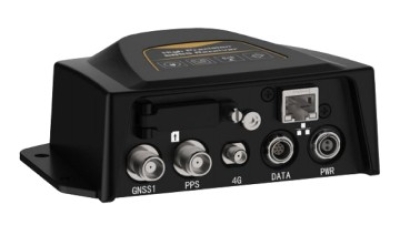
In the evolving landscape of positioning technologies, the promise of GNSS (Global Navigation Satellite System) base station receivers is driving major advancements in precision and accuracy for various applications, from agriculture to surveying. The integration of advanced technologies, such as the Qualcomm Cortex-A7 coupled with a Linux intelligent system platform, provides a robust foundation for these devices. With the ability to support multiple satellite constellations—including BDS, GPS, GLONASS, Galileo, QZSS, and SBAS—these receivers ensure a level of accuracy that meets the demanding standards of modern industries. Insights from industry reports highlight that the adoption of multi-frequency RTK technology has enhanced positioning accuracy up to 1cm, a significant improvement over traditional methods.

The incorporation of 1408 super channels allows for improved signal processing, capable of managing a larger number of simultaneous connections. This capability is crucial in environments where signal blockage or interference is prevalent. Moreover, the industrial-grade design, featuring a sturdy magnesium-aluminum alloy shell, guarantees reliability and durability in challenging conditions. With an impressive built-in storage capacity of 32GB and remote download features, these GNSS receivers facilitate seamless data management and secondary development, further enhancing their functionality. The potential to support cloud services also opens up new avenues for real-time data sharing and analysis, which is increasingly vital in today’s interconnected world.

As industries continue to harness the capabilities of GNSS base station receivers, the focus on maximizing precision will undoubtedly lead to improvements in efficiency and effectiveness across various sectors. With continued advancements in technology, these devices are well-positioned to meet the future demands of precise positioning.

FAQS

: Why is it important to choose the right location for a GNSS RTK base station?

: The right location is crucial for achieving optimal accuracy in surveying projects. An unobstructed view of the sky enhances signal strength and minimizes multipath effects, which can significantly affect positioning accuracy.

What are multipath effects in GNSS RTK operations?

Multipath effects occur when GNSS signals bounce off nearby surfaces before reaching the receiver, causing inaccuracies in positioning. Choosing a site free from obstructions helps minimize these effects.

How can I enhance the signal strength for my GNSS RTK base station?

To enhance signal strength, select an elevated site that is free from obstructions such as trees, buildings, or other structures that can interfere with satellite signals.

What technological advancements can improve GNSS RTK setups?

Using free NTRIP for RTK surveys allows for cost-effective solutions without subscriptions. Integrating drone technology with GNSS positioning can also streamline data collection and improve accuracy.

What common mistakes should I avoid when setting up a GNSS RTK base station?

Avoid neglecting site selection, overlooking interference sources, and failing to configure the RTK receiver correctly. Ensure your site has a clear view of the sky and is free from metallic structures and dense foliage.

Why is dual-frequency capability important in an RTK receiver?

Dual-frequency capability significantly improves accuracy by allowing the receiver to process multiple signals, helping to achieve centimeter-level precision in positioning.

How often should I check and update the firmware and software for my GNSS RTK system?

It’s important to regularly check and update the firmware and software to avoid connectivity issues and ensure the system operates at peak performance for accurate results.

What role does geography play in selecting a location for a GNSS RTK base station?

The overall geography of the area influences visibility to the horizon and potential obstructions, making it essential to consider both the immediate environment and broader geographical features when selecting a site.

Conclusion

Setting up a GNSS RTK Base Station properly is pretty important if you want accurate geospatial data. In this post, I’ll walk you through a handy checklist that covers everything—like how to pick the best spot, what equipment you need, and step-by-step tips for getting everything set up smoothly. When you fine-tune the signal quality and overall setup, you’ll get much better performance from your GNSS system, leading to more reliable data collection. Oh, and I’ve also thrown in some common mistakes to watch out for, so you can sidestep those pitfalls and keep your operations running without a hitch.

At Shanghai Apekstool (APEKS), we’re all about delivering innovative solutions for geospatial surveying. With our deep expertise in GNSS/GPS systems and gear, we want to make sure our clients feel confident in setting up their RTK Base Stations—saving time, boosting accuracy, and making sure everything works like clockwork.
Elena

Elena

Elena is a dedicated marketing professional at Shanghai Apekstool (APEKS), a leading provider of innovative geospatial surveying and mapping products. With a deep expertise in GNSS/GPS systems, total stations, levels, and theodolites, she plays a crucial role in communicating the core benefits and......
Previous Top 10 RTK Col Antenna Manufacturers from China at the 137th Canton Fair